Introduction
Contactless payments are now second nature in Malaysia, and Apple Pay has become the go-to tap-and-go method for many iPhone and Apple Watch users. Still, one recurring question I hear is whether BSN works with Apple Pay, and how the local limits, security, and setup compare with using a physical card. To make things clearer this year, I’ve pulled together a practical, beginner-friendly rundown so you can see what’s supported, what’s not, and how to get the smoothest experience possible—no drama, no guesswork. If you’ve been Googling around for bsn apple pay, this guide sums up the latest picture in one place.
Introduction to Apple Pay
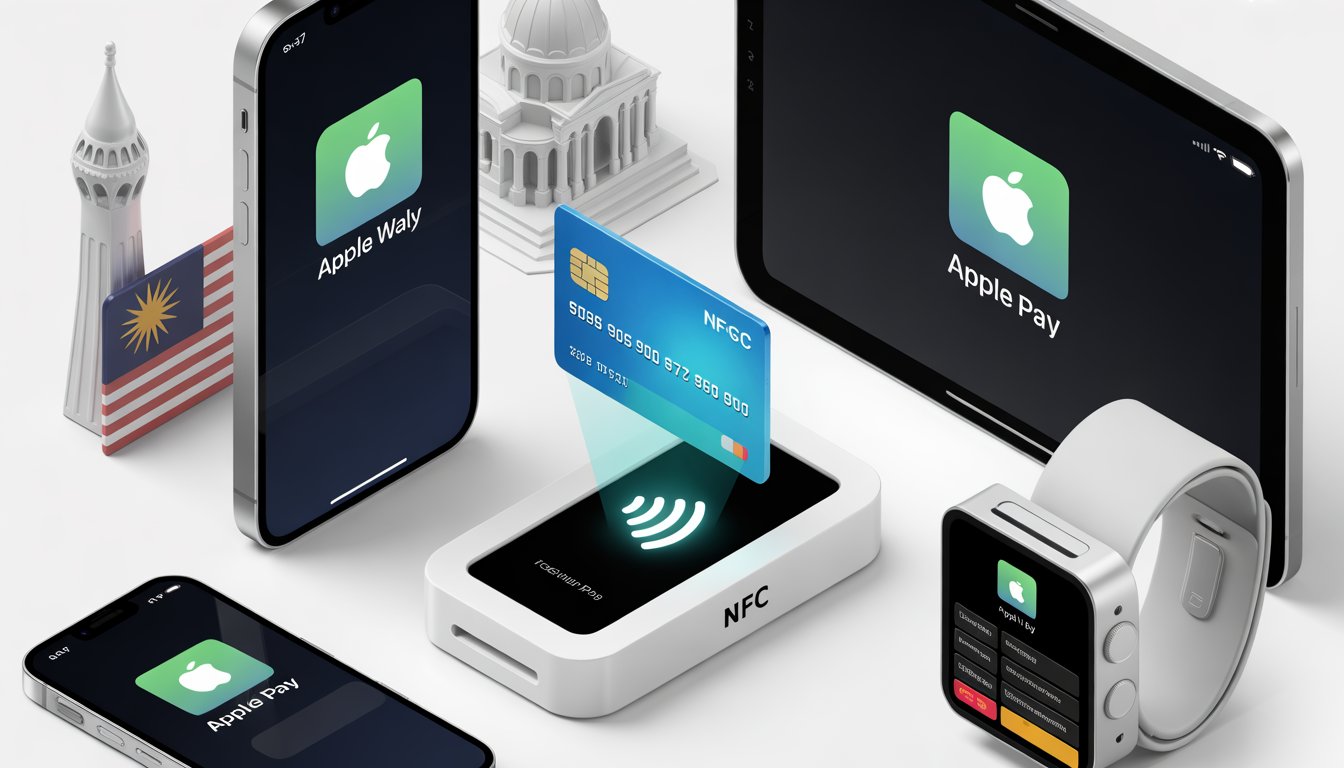
Apple Pay is Apple’s contactless payment solution built into the Wallet app on iPhone, Apple Watch, iPad, and Mac. In Malaysia, it mirrors your bank card as a secure token, letting you pay at NFC terminals and supported apps or websites without exposing your real card number. The big draw is convenience—fast checkout, fewer PIN prompts, and strong device-level security—making it a compelling upgrade from traditional plastic, especially if you want to improve transaction speed and keep your card details protected.
Key Benefits of Apple Pay
The biggest benefit I notice day to day is pure ease of use: no need to dig for your wallet, and no awkward PIN pad moments because Face ID or Touch ID handles verification seamlessly. Merchants increasingly accept contactless in Malaysia, so tap-and-go via Apple Pay is both quick and widely usable, reducing queue time and friction, especially during peak hours. On top of that, you keep your full card benefits—reward points, cash back, and purchase protections—while your actual card number stays hidden behind a bank-issued token. This integration ensures that your everyday spending remains rewarding without compromising on security or speed.
Apple Pay also improves how you manage payment methods. You can set a default card, reorder multiple cards, and view recent transactions right from Wallet, which keeps things tidy and transparent. If your phone or watch goes missing, Find My and remote wipe functions help you cut off wallet access instantly, which is a lot more convenient than scrambling to replace every physical card. All this adds up to a cleaner, safer, and frankly faster way to pay—memang senang. Plus, the ability to quickly switch cards encourages better financial organization, allowing users to maximize benefits across different accounts.
Understanding Apple Pay Limits
In Malaysia, Apple Pay generally follows your bank’s existing card limits, so the cap per transaction is typically the same as your underlying credit or debit card. Many merchants don’t require a PIN for Apple Pay transactions above traditional contactless thresholds because biometric authentication already satisfies strong customer authentication. That said, some terminals or merchant risk rules may still request an extra verification step, especially for high-value purchases or older terminals. It’s always a good idea to familiarize yourself with these nuances to avoid any surprises during checkout.
Daily and monthly spending limits are controlled by your bank, not Apple, so your card’s line and any bank-defined contactless policies still apply. If you frequently buy larger items, it’s worth confirming your card’s transaction limits in your banking app before you head to the checkout. For international use, currency conversion and foreign transaction fees remain subject to your bank’s policy. Understanding these limits helps in planning your expenditures, ensuring that Apple Pay fits seamlessly into your financial habits without unexpected restrictions.
Additionally, some users might encounter per-transaction caps set by merchants themselves, which can vary by location. Keeping track of your bank’s app notifications can provide real-time updates on any changes to these limits. Overall, while Apple Pay offers flexibility, staying informed about your specific bank’s policies is key to a smooth experience.
Is Apple Pay Safe? Security Features Explained
Apple Pay uses tokenization, which means your device stores a surrogate card number in the Secure Element instead of your actual card details. Every transaction uses a dynamic security code that can’t be reused, so even if the data is intercepted, it’s useless to fraudsters. On top of that, you must authenticate every payment with Face ID, Touch ID, or your device passcode, adding a strong layer of biometric security to the process. This multi-layered approach significantly reduces the risk of unauthorized transactions.
Merchants never receive your real card number, reducing exposure in the event of a merchant data breach. If your device is lost or stolen, you can suspend or remove your cards from Apple Pay using Find My without cancelling the physical card, which minimizes disruption. In short, the design approach is privacy-first and security-heavy, letting you focus on speed while the tech quietly does the heavy lifting. Users often appreciate how this system empowers them with control over their financial data.
Furthermore, Apple continuously updates its security protocols to address emerging threats, ensuring long-term protection. Compared to traditional card payments, Apple Pay’s features provide peace of mind, especially in an era of increasing digital fraud. By prioritizing user privacy, it sets a high standard for mobile payments in Malaysia and beyond.
How to Use Apple Pay on an Apple Watch
Using Apple Pay on Apple Watch is especially handy when you’re carrying groceries or heading out for a quick kopi run without your phone. After enabling a passcode on the watch and adding your card in the Watch app, you double-press the side button to bring up the default card and hold the watch near the terminal. The haptic feedback and on-screen check mark confirm payment, so there’s no second-guessing whether it went through. This seamless process makes it ideal for on-the-go lifestyles.
You can add multiple cards to the watch and switch on the fly by swiping before tapping, which is convenient if you want to optimize rewards across spending categories. Because the watch has its own token, it remains secure even if your phone is elsewhere, and you can remove the card remotely if the watch is misplaced. It’s a simple, streamlined way to pay that feels natural once you’ve tried it a few times. Many users find that it enhances their daily routines by eliminating the need for physical wallets entirely.
Additionally, the Apple Watch integration supports features like Express Transit in compatible areas, allowing even faster payments for public transport. Customizing notifications on the watch can keep you informed about transactions in real-time. Overall, incorporating Apple Pay into your Apple Watch usage can significantly boost convenience and efficiency in everyday payments.
Apple Pay Supported Banks and Cards in Malaysia
Support in Malaysia has expanded since launch, though the rollout differs by bank and card type. The safest way to confirm is to check your bank’s app or their official help page for Apple Pay. As of the latest update this year, BSN has not publicly confirmed Apple Pay support; if BSN is your main bank, you may want to consider a secondary card from a participating issuer until BSN provides a formal update. This guide on BSN Apple Pay status aims to keep you informed as developments occur.
| Bank | Apple Pay Availability | Notes |
|---|---|---|
| Maybank | Supported | Selected credit and debit cards |
| AmBank | Supported | Selected credit and debit cards |
| Standard Chartered | Supported | Selected credit cards |
| HSBC | Supported | Selected credit and debit cards |
| CIMB | Supported/Phased | Check eligible cards in app |
| Public Bank | Check with bank | Availability may vary |
| RHB | Check with bank | Availability may vary |
| BSN | Not yet | No official support announced |
List of Participating Banks
The core group of early adopters in Malaysia includes banks such as Maybank, AmBank, Standard Chartered, and HSBC, all of which have made it relatively straightforward to add eligible cards in the Wallet app. Other institutions have rolled out in phases or with card-specific eligibility, so two customers at the same bank may see different options depending on their card product. Because banks update support over time, always verify inside your banking app; if you see an “Add to Apple Wallet” button or an Apple Pay section, you’re generally good to go. Staying updated on Apple Pay Malaysia developments can help you make informed choices about your banking options.
If your bank hasn’t enabled Apple Pay yet, you can still use a secondary card from a supporting issuer while keeping your main account unchanged. This hybrid approach is common among users waiting for full Apple Pay coverage but wanting the convenience today. It’s not a perfect solution, but it keeps your day-to-day tap-and-go routine fast while you monitor your primary bank’s roadmap. Many Malaysians adopt this strategy to enjoy Apple Pay benefits without switching banks entirely.
Moreover, as more banks join the list, the ecosystem for Apple Pay in Malaysia continues to grow, offering greater flexibility. Community forums and official bank announcements are great resources for tracking new participants. Ultimately, the expanding support enhances the overall appeal of using Apple Pay for everyday transactions.
Supported Card Types (Credit, Debit, Prepaid)
In Malaysia, both credit and debit cards are commonly supported, though eligibility can vary by card family and network. Some prepaid or virtual cards also work, especially those issued by digital-friendly banks, but corporate and supplementary cards may have additional restrictions. If rewards are a priority, make sure your chosen card continues to earn points or cash back via Apple Pay transactions, which most issuers treat the same as physical card swipes. This consistency allows users to maintain their reward strategies seamlessly.
For debit cards, check that online and contactless features are enabled in your banking app before adding to Wallet, as these toggles can block provisioning. International usage depends on your bank’s settings; you may need to enable overseas transactions to use Apple Pay abroad. Keep an eye on fees and foreign exchange rates, which remain governed by your card’s terms. Being proactive about these settings ensures a hassle-free experience when traveling or shopping internationally.
Prepaid cards offer an alternative for those who prefer not to link traditional bank accounts, providing controlled spending options. As Apple Pay evolves, more card types are likely to gain support, broadening accessibility. Overall, understanding supported card types helps users select the best options for their needs in the Malaysian market.
How to Set Up Apple Pay for Malaysians
Getting started is easy as long as your device and bank card are eligible. The process takes just a few minutes, and once a card is in Wallet, you can configure a default and reorder your stack to match your daily routine. If you run into verification hiccups, it usually comes down to region settings, SMS OTP delivery, or an eligibility flag your bank must clear. This setup guide for Apple Pay Malaysia will walk you through the essentials for a smooth start.
Device Requirements and Compatibility
On iPhone, Apple Pay works with models that support Face ID or Touch ID and run a current version of iOS. Apple Watch requires watchOS with passcode enabled, and you’ll add cards via the Watch app on your iPhone or directly on the watch for newer versions. For online payments, Apple Pay also works on iPad and Mac with Safari, provided you’re signed in with your Apple ID and have the correct region settings. Ensuring compatibility is the first step to enjoying seamless payments.
Make sure Region is set to Malaysia and that you’re signed in to iCloud with the same Apple ID across devices for Handoff to work smoothly. Some banks require the device to have an active mobile line for OTP, even if you primarily use Wi‑Fi, so keep your SIM ready. Keeping iOS and watchOS updated also helps with bank provisioning compatibility. Regular updates often include improvements that enhance the setup process and overall functionality.
Compatibility extends to various Apple ecosystems, making it versatile for users with multiple devices. If you’re using older hardware, consider upgrading to fully leverage Apple Pay’s features. In Malaysia, where mobile payments are on the rise, meeting these requirements positions you well for the future of digital wallets.
Step-by-Step Setup Instructions
Setting up Apple Pay in Malaysia is a straightforward process that most users can complete in minutes, starting with the Wallet app on your device. Begin by opening Wallet on your iPhone and tapping the “+” icon to add a credit or debit card, or use the Watch app for Apple Watch integration. Scanning your card or entering details manually is quick, followed by accepting your bank’s terms and completing verification, often via SMS OTP or in-app confirmation.
Once verified, set your default card and enable features like Express Transit if available in your area, which can speed up public transport payments. Reordering cards in Wallet allows for easy access to your preferred options during transactions. After setup, perform a test purchase at a nearby merchant to ensure everything functions correctly, helping you build confidence in the system.
If you’re adding cards to multiple devices, the process syncs via iCloud for convenience. Remember to review your bank’s specific instructions, as they may offer additional tips tailored to their system. With these steps, you’ll be ready to enjoy the benefits of Apple Pay, from faster checkouts to enhanced security in your daily routines.
Troubleshooting Common Setup Issues
If verification fails, check that your name and card details match your bank’s records exactly, including spacing and punctuation. Ensure your device Region is Malaysia and iOS/watchOS are up to date, as older versions can block provisioning. If SMS OTPs don’t arrive, toggle airplane mode, confirm your number with the bank, or try in-app verification if offered. These simple checks often resolve the majority of setup hurdles.
For cards marked “Not Eligible,” it may be a product-level restriction or a bank-side flag that support needs to lift. Some debit cards require enabling contactless or online transactions in the bank app before they can be added. When all else fails, contact your bank and mention the Apple Pay add-card flow; frontline agents can usually see the exact reason a token request was declined. Patience and clear communication with support can quickly get you back on track.
Common issues also include network connectivity problems, so ensure a stable Wi-Fi or cellular connection during setup. Keeping your device’s software current prevents many compatibility glitches. By addressing these potential pitfalls proactively, you’ll minimize frustration and successfully integrate Apple Pay into your payment methods.
Using Apple Pay in Malaysia
Once set up, using Apple Pay is basically “tap and done,” but a few practical habits can make it even smoother. Knowing where it’s accepted, how to hold the device near the terminal, and how to manage your cards goes a long way toward a drama-free checkout. The tips below reflect what consistently works in local stores, cafes, and online merchants, helping you maximize the convenience of Apple Pay Malaysia.
Where to Use It: Accepted Locations
Apple Pay works at most NFC terminals that accept contactless cards, so if you see the contactless wave symbol, you’re good. In Malaysia, that covers supermarkets, pharmacies, convenience stores, petrol stations, and plenty of cafes and restaurants, with growing adoption across parking, vending, and service counters. You can also pay in supported apps and websites using the Apple Pay button in Safari, which is especially handy for food delivery or ride-hailing when you want a fast, secure checkout. This widespread acceptance makes it a reliable option for daily errands.
For public transport, acceptance depends on the operator and whether they’ve enabled Apple Pay for fares, which is still evolving. If transit is a priority, check the operator’s latest guidance to avoid surprises at the gantry. When in doubt, carry a backup physical card for edge cases like legacy terminals or offline kiosks. As infrastructure improves, more locations are expected to support seamless Apple Pay integration.
Online shopping platforms increasingly feature Apple Pay, streamlining purchases without entering card details manually. From e-commerce sites to subscription services, the convenience extends beyond physical stores. Embracing these locations enhances your overall mobile payment experience in Malaysia’s digital economy.
Tips for Seamless Transactions
On iPhone, double-press the side button for Face ID devices or use Touch ID, then hold the top of the phone within a few centimeters of the reader until you feel the haptic tap. Don’t rush; give the terminal a second to negotiate, especially at older readers that can be a bit slow—relax, can, it’ll go through. Set your most-used card as default to save time, and reorder cards so the next-best option is just a swipe away in Wallet. These habits can significantly reduce transaction time and effort.
If a cashier asks for a PIN, explain you’re using Apple Pay and have authenticated via Face/Touch ID, but comply if the terminal requests further verification. For online purchases, ensure your shipping and billing info in Apple Pay are up to date to prevent declines. Keep an eye on receipts and bank notifications so you can spot and dispute any issues early. Developing these practices leads to more confident and efficient use over time.
Additionally, practicing in low-stakes environments helps build familiarity with the process. Customizing Wallet settings to your preferences can further personalize the experience. By following these tips, you’ll enjoy smoother transactions and fully leverage Apple Pay’s potential in Malaysia.
Managing Cards and Transactions
The Wallet app shows recent transactions for many cards, which helps you reconcile spending without waiting for monthly statements. You can rename cards, change the default, and toggle notifications to suit your preferences, keeping things neat and under control. If a card is lost or replaced, remove the old token from Wallet and add the new card; banks often reissue a fresh token automatically after replacement, but it’s good practice to check. This management flexibility keeps your digital wallet organized and up-to-date.
For security, enable Find My and keep “Allow Payments on Mac” toggled on only if you actually use it, which reduces unnecessary exposure. If your device goes missing, use Find My to suspend or remove cards immediately; your physical card remains active unless you also cancel it with the bank. Between tokenization, biometric checks, and remote controls, you’ll retain strong guardrails even during unexpected situations. Proactive management ensures peace of mind in all scenarios.
Regularly reviewing transaction history can also help detect any irregularities early. Integrating budgeting apps that sync with Wallet provides even deeper insights into your spending. Overall, effective card management enhances the security and utility of Apple Pay for Malaysian users.